
Master Yoga-Powered Muscle Toning
Discover how structured yoga practices combined with targeted stretching routines transform your physique, enhance flexibility, and build lean muscle definition across your entire body.
Functional Strength Building
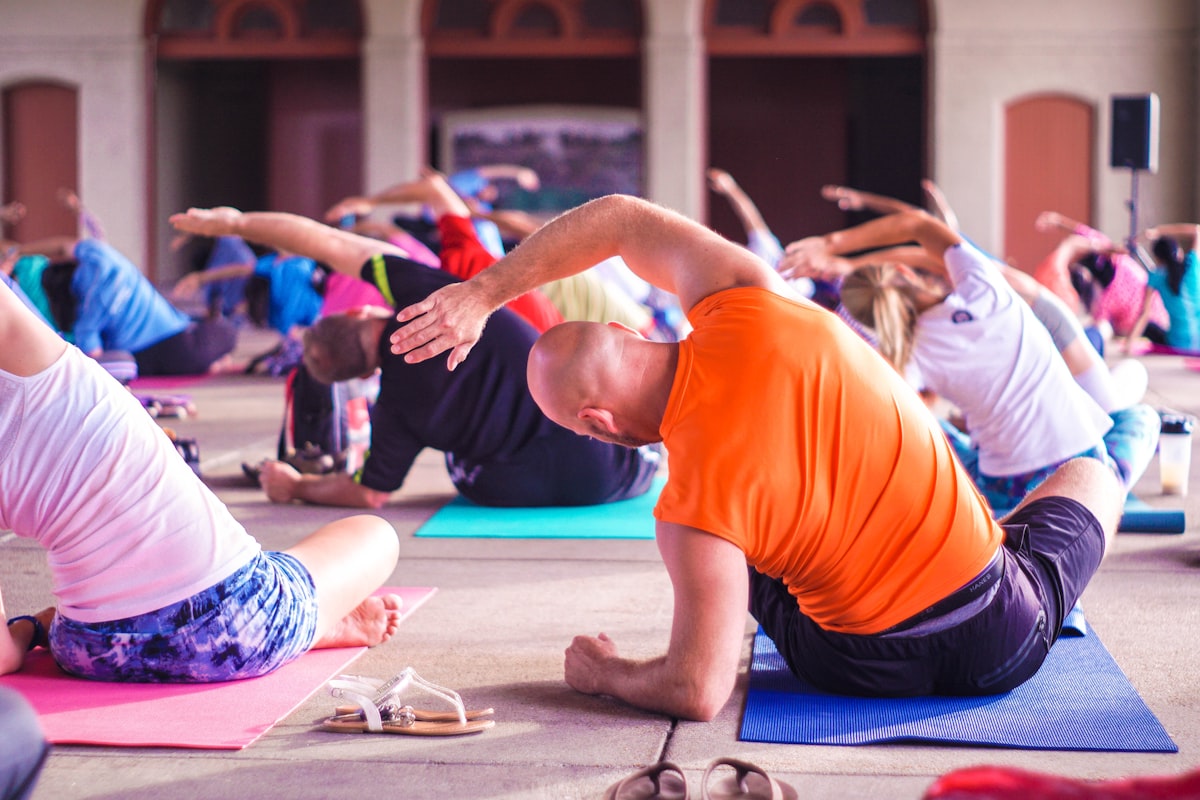
Yoga engages stabilizer muscles that traditional weightlifting often misses, creating balanced strength across your core, shoulders, and legs with practices like Chaturanga holds and warrior pose variations.
Long, Lean Muscle Definition
Unlike bulky muscle development, yoga creates elongated muscle fibres through eccentric loading and sustained poses, giving your body a sculpted, toned appearance without unnecessary bulk.
Enhanced Recovery & Flexibility
Integrated stretching routines prevent muscle shortening, reduce injury risk, and accelerate recovery between strength sessions by improving circulation and reducing muscle tension.
Core Features of Yogarecoverytone
Our comprehensive approach combines ancient yoga wisdom with modern muscle physiology.
Progressive Intensity Scaling
Our routines adapt as your strength increases. Beginner-friendly poses transition into advanced variations like one-legged planks, handstand work, and deep backbends that continuously challenge your muscles.
Metabolic Activation
Dynamic flow sequences elevate your heart rate and metabolism throughout the day. Vinyasa and power yoga styles accelerate calorie expenditure while building muscular endurance and cardiovascular health simultaneously.
Mind-Muscle Connection
Yoga teaches conscious muscle activation and proprioceptive awareness. This mental-physical integration ensures maximum recruitment of muscle fibres during each pose, amplifying toning results.
Joint-Safe Strength Training
Yoga protects joints through full range-of-motion practice and proper alignment principles. Build muscle without the stress injuries common in traditional weight training, suitable for all ages and fitness levels.
Integrated Stretching Science
Post-exertion stretching routines prevent muscle stiffness, promote fascia release, and enhance nutrient delivery to recovering muscle tissue. This accelerates adaptation and visible muscle tone development.
Flexible Time Commitment
Effective sessions range from 20 to 60 minutes. Our modular approach lets you practice consistent micro-sessions or immersive full-length flows, fitting seamlessly into your lifestyle without overwhelming your schedule.
Your 8-Week Transformation Blueprint
A structured progression from foundational poses to advanced toning sequences.
Weeks 1-2: Foundation & Alignment Mastery
Begin with fundamental poses emphasizing proper body alignment. Practice Sun Salutations, Mountain Pose, and basic plank variations. Focus on building awareness of core engagement and discovering your natural strength baseline. Sessions: 4-5 per week, 30 minutes each.
Weeks 3-4: Dynamic Flow Integration
Transition into flowing sequences linking breath with movement. Master Vinyasa flows, Warrior sequences, and sustained isometric holds. Integrate stretching routines post-practice to support muscle recovery. Begin noticing improved flexibility and initial muscle definition in shoulders and core.
Weeks 5-6: Advanced Strength Building
Introduce arm balances, deeper backbends, and inversions. Progress to one-legged planks, forearm stands, and longer hold times in standing poses. Add dedicated stretching sessions focusing on hip openers and shoulder mobility. Visible muscle tone becomes evident in arms, legs, and abdominals.
Weeks 7-8: Peak Performance & Maintenance
Master advanced poses including handstands, deeper arm balances, and complex sequences. Implement personalized routines balancing strength and recovery. Establish long-term stretching protocols to maintain muscle tone and flexibility. Celebrate comprehensive body transformation with sustained energy improvements.
Muscle Groups: Targeted Benefits
Understand which yoga practices tone specific areas of your body.
Core & Abdominals
Plank variations, Boat Pose holds, and flowing sequences create continuous core tension, building deep abdominal strength and visible six-pack definition. Proper breathing amplifies core engagement during every pose.
Shoulders & Upper Back
Downward Dog, Chaturanga, arm balances, and shoulder openers create sculpted, defined shoulders and upper back. Improved posture enhances the appearance of lean upper body muscles.
Legs & Glutes
Warrior poses, Lunges, Chair Pose, and squatting variations build powerful leg muscles and lifted glutes. Sustained holds activate deep muscle fibres creating both strength and toned appearance.
Arms & Forearms
Plank variations, arm balances like Crane Pose, and strength-focused flow sequences create toned, defined arms and strong forearms. Extended time in weight-bearing positions develops noticeable muscle definition.
Back & Postural Muscles
Backbend sequences and engagement-focused flows strengthen the entire posterior chain. Developed back muscles create an appearance of strength and improved posture that enhances overall body tone.
Full-Body Integration
Dynamic flow sequences engage multiple muscle groups simultaneously. This integrated approach creates balanced, functional strength and harmonious muscle tone throughout your entire body without isolated weakness.
Why Stretching Matters for Muscle Tone
Often overlooked, integrated stretching is essential for sustainable muscle development and visible toning results.
Prevents Muscle Shortening
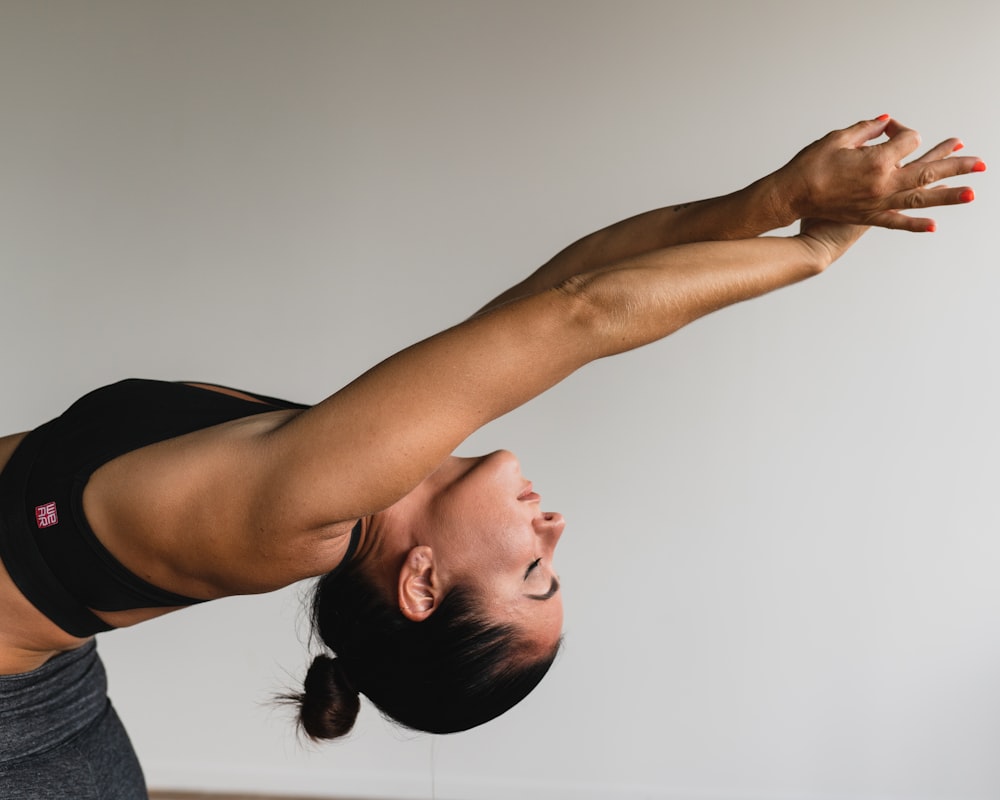
Intense strength work naturally tightens muscles. Regular stretching maintains full range of motion, allowing muscles to display their complete length. This elongated appearance is essential for the lean, toned look many seek.
Accelerates Recovery
Post-exercise stretching increases blood flow to fatigued muscles, delivering oxygen and nutrients essential for repair. Faster recovery means you can train consistently without overuse injuries interrupting progress.
Enhances Muscle Definition
Fascia release through stretching improves muscle visibility by releasing tension surrounding muscle tissue. This reveals underlying muscle definition and creates the sculpted appearance of toned muscles.
Supports Sustainable Progress
Balanced stretching prevents compensation patterns and muscle imbalances that create poor posture. Proper alignment ensures muscles develop symmetrically and aesthetically, supporting long-term toning goals.
Common Questions About Yoga Muscle Toning
Learn more about how yoga builds strength and develops visible muscle tone.
Does yoga alone build muscle?
Yes, yoga can build significant muscle through bodyweight resistance, extended holds, and progressive intensity. When combined with proper nutrition and recovery, yoga creates visible muscle definition and strength comparable to traditional strength training. The key is consistency and gradually increasing challenge level.
How long before seeing results?
Most practitioners notice improved strength and minor muscle definition within 2-3 weeks of consistent practice. Visible muscle tone typically becomes apparent within 4-8 weeks depending on starting fitness level, practice frequency, and recovery habits. Patience and consistency yield the best results.
Can I do yoga every day?
Yes, daily yoga is safe and beneficial when structured properly. Alternate intense strength-focused sessions with gentler stretching days to prevent overuse. Listen to your body and take complete rest days weekly. This balanced approach maximizes muscle development while minimizing injury risk.
Which yoga style builds the most muscle?
Power Yoga, Ashtanga, and Vinyasa styles create the most muscle-building stimulus through dynamic movement and sustained holds. These faster-paced styles elevate heart rate and create progressive resistance. Beginners benefit from Hatha or Iyengar for foundational strength before advancing.
Do I need flexibility to start yoga?
No flexibility is required to begin yoga. Modifications exist for every pose allowing you to start at your current level. Flexibility develops naturally through consistent practice while building strength simultaneously. Beginning with beginner-friendly classes ensures proper progression.
How does stretching improve muscle tone?
Stretching releases muscle tension, improves blood circulation, enhances muscle visibility by reducing fascia tightness, and supports faster recovery between strength sessions. This combination creates the appearance of leaner, more defined muscles while supporting functional strength development.
What about nutrition and supplementation?
Adequate protein intake (1.2-2g per kilogram of body weight) supports muscle development. Stay hydrated, consume balanced meals with whole foods, and prioritize sleep. Most practitioners achieve excellent results without supplements, though protein powder can help meet daily requirements conveniently.
Is yoga suitable for all fitness levels?
Absolutely. Yoga scales to every fitness level from complete beginners to elite athletes. Modifications exist for every pose, and progression happens naturally at your own pace. Work with experienced instructors who understand your individual needs and goals.
Success Stories: Real Transformations
See how dedicated practitioners have transformed their bodies and health through consistent yoga practice.
"After just six weeks of power yoga, my shoulders have visible definition I never achieved with the gym. My posture improved dramatically and I feel stronger than ever. The stretching routines prevent the sor eness I used to get. Yogarecoverytone changed everything for me."
David Chen
Fitness Enthusiast, Los Angeles
Ready to Transform Your Body?
Join thousands of members who have achieved their fitness goals with Yogarecoverytone. Start your journey today with a free consultation.